Fitness & Performance
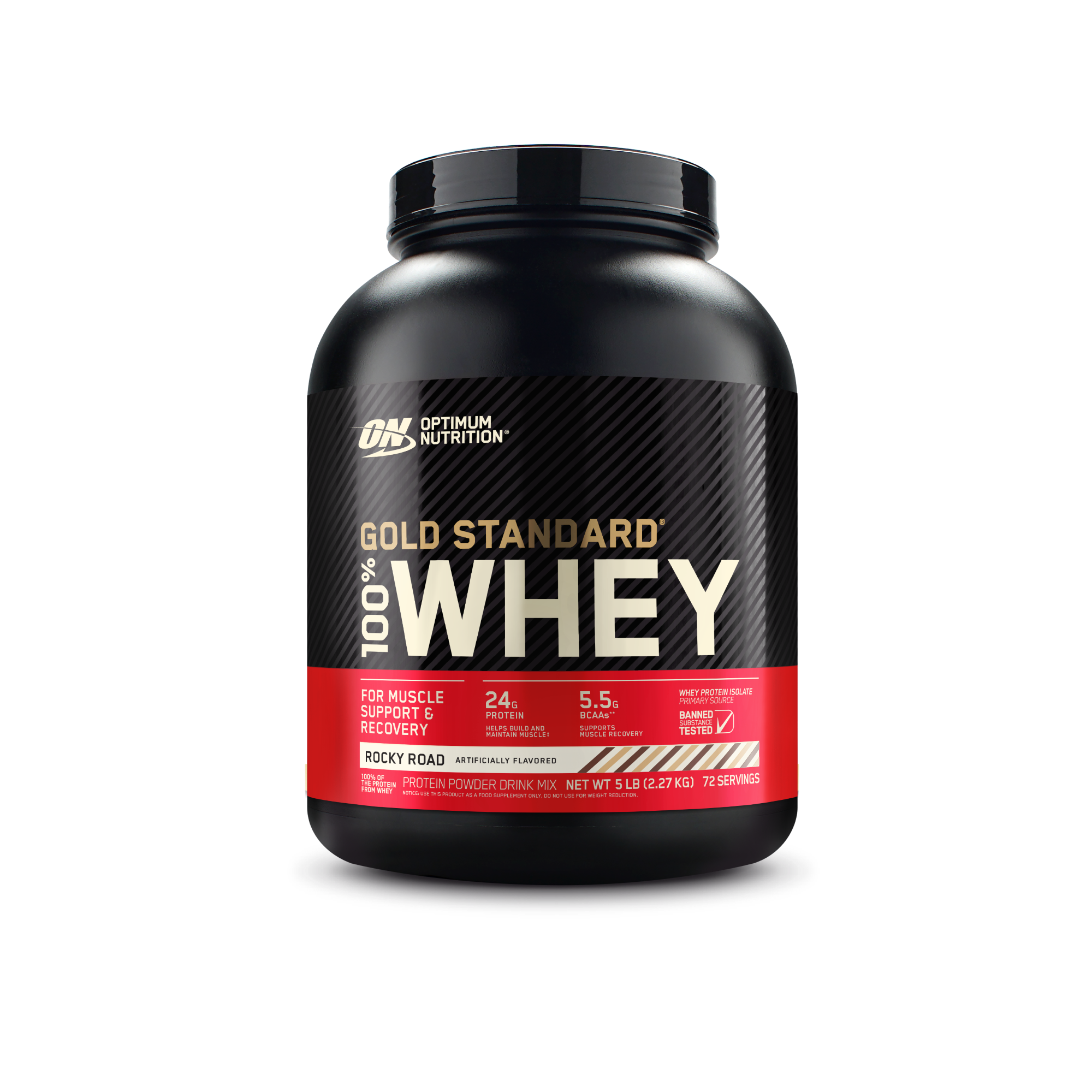
Optimum Nutrition Gold Standard 100% Whey
One of the best-selling whey protein powders in the US, from a manufacturer with its own cGMP facilities and real third-party testing.
24g Protein/ServingInformed Choice Certified5.5g BCAAs
We have not independently lab-tested this product ourselves. Certification and testing facts below are sourced from Informed Choice's public product database and Labdoor's published independent testing.
We link to Amazon and may earn a commission from qualifying purchases at no extra cost to you
Label Check
Third-party certificationInformed Choice certified (tested for 250+ banned substances)
Independent ratingLabdoor: A- for label accuracy and purity
ManufacturerGlanbia plc (acquired Optimum Nutrition in 2008)
Where to buy
A genuinely well-tested product in a category full of unverified claims — Labdoor's independent lab analysis backs up the label, not just the marketing.
See it on Amazon →
As an Amazon Associate, we earn from qualifying purchases.
What it's marketed for
Optimum Nutrition markets Gold Standard Whey as supporting "muscle and post-workout recovery" and helping "build and maintain muscle" — standard structure/function framing for a protein supplement, not a disease or medical claim.
What we found
Independently tested, not just self-reported
Labdoor, an independent lab-testing organization, rated this product A- for label accuracy and ingredient purity in its whey protein category testing — a real, third-party result, not a brand-published number. It's also Informed Choice certified, meaning it's tested for over 250 substances banned by major athletic organizations.
A real, decades-old manufacturer
Optimum Nutrition was founded in 1986 and has been owned by Glanbia plc, a large publicly traded Irish dairy and nutrition company, since 2008. It operates its own cGMP-certified manufacturing facilities in Illinois, South Carolina, and Florida — not a repackaged private-label product.
Worth knowing: Labdoor's testing also noted this product contains acesulfame potassium, an artificial sweetener — worth knowing if you avoid artificial sweeteners. These statements have not been evaluated by the FDA. This product is not intended to diagnose, treat, cure, or prevent any disease. Consult a healthcare provider before starting any new supplement, especially if you take medication or have a health condition.